

If you struggle to get your referral program to work, or if you see that, after a period of relative success, the performance of your program starts to decline inexorably, this may lead you to wrongly conclude that referrals won’t work in your industry or for your brand, or that referrals will only work for a certain period of time, such as when your brand is not widely known and is still scaling up but not afterwards.
And that would be both a great shame and a huge missed opportunity, particularly when you consider how a well run referral program should easily be capable of delivering at least 10% of all online customer acquisition, and where a top in class program can consistently deliver 20-30% or more. And what’s more we see referrals working across all industries and across all stages of the lifecycle of a business from start up through scale up to maturity, and in many different countries. So your brand shouldn’t be any different!
So in order to try and convince you not to make these mistakes, and not to give up on referral prematurely, or at least to give it another try, we’ve listed the top 19 reasons your referral program is likely to be failing or failing to maintain performance.
- Customers just don’t know you have a referral program
- Customers can’t find your referral program
- You haven’t educated your customers and staff
- Your business proposition isn’t great
- The rewards and incentives you offer aren’t appealing
- Competitors are offering much better rewards and incentives
- You are offering better incentives elsewhere
- Your rewards and incentives never change
- You treat all potential referrers and their friends as the same
- You don’t promote it to potential referrers at the right time
- You don’t have clear CTAs
- Your program doesn’t look trustworthy
- People can’t understand your referral program
- People don’t think your program is fair
- You don’t show social proof
- You’re too well known for the wrong reasons and you don’t give people a reason to give you another try
- Your customers are addicted to price comparison sites
- You lack expert advice and assistance
- You lack access to detailed analytics and reports
1. Customers just don’t know you have a referral program
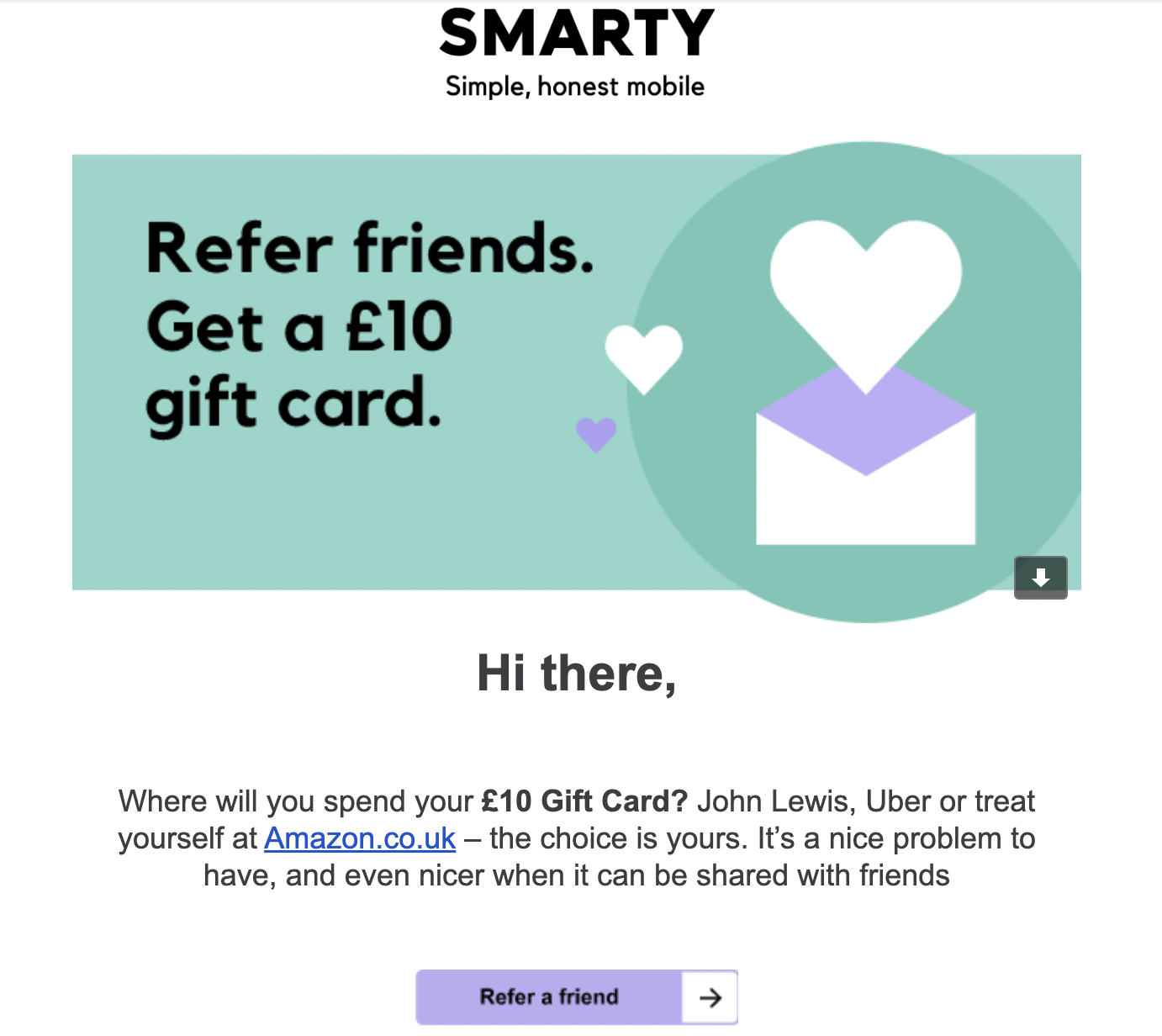
This is likely to be the no.1 cause of failure for any referral program – your customers don’t even know you have one! Quite simply, if you fail to promote it to your potential referrers they won’t know that they can refer. And when you consider that our research found that 8 out of 10 people want to be able to refer their favorite brands to friends, that’s a cardinal sin. Here are some examples of how leading brands promote their programs:
Promotion in Emails
Promotion in Apps & Text Message
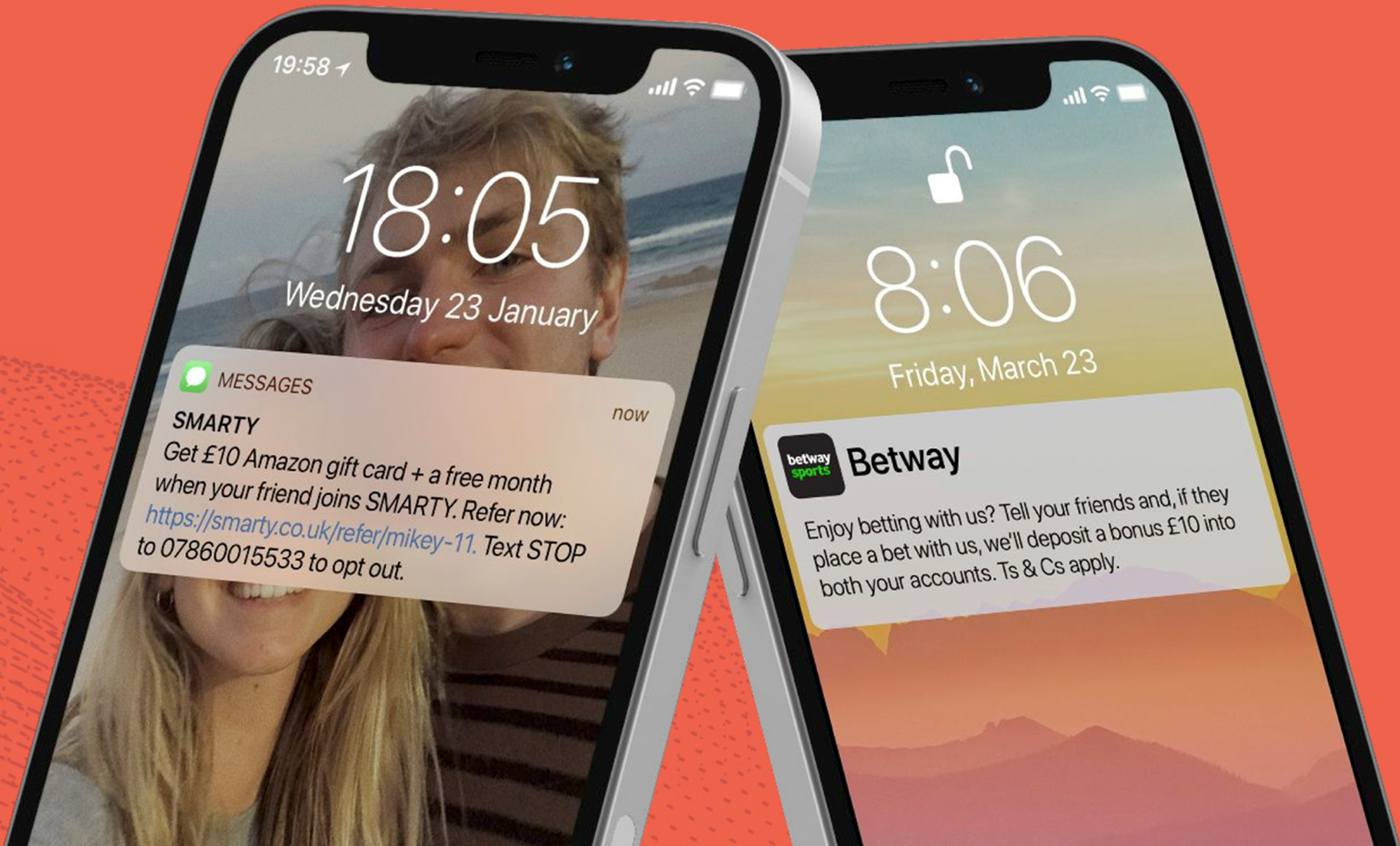
Without these promotion tactics, is it any wonder that your program fails to deliver? It’s likely that the reason you can’t do these is that these channels are not controlled by you and you’ll need to convince colleagues to take action, in which case you’ll need to clearly make the business case for referral. In which case, you should talk to us about how we can help you demonstrate the value of a well promoted referral program to your business.
2. Customers can’t find your referral program
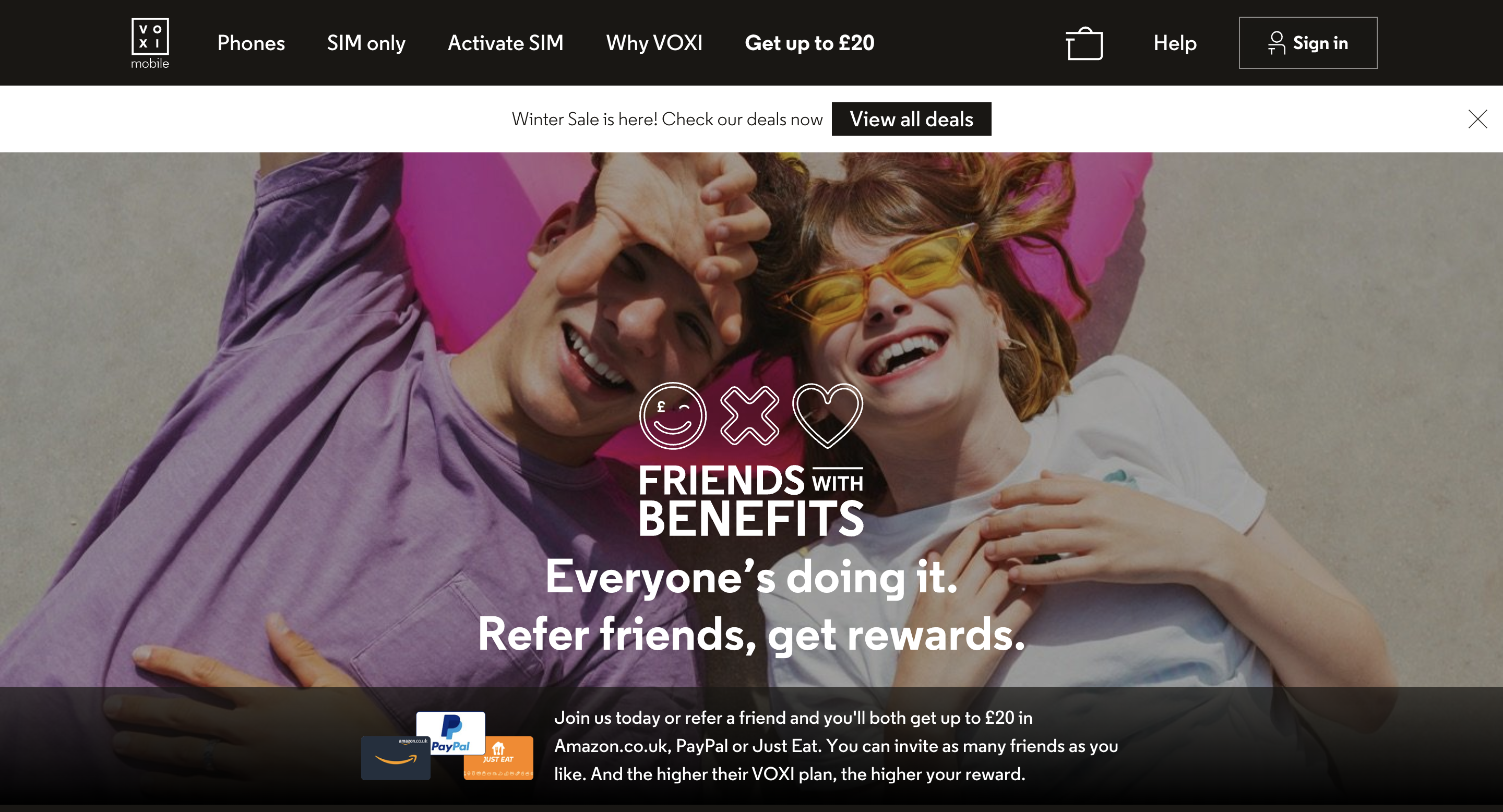
Going hand in hand with the first point is that if you don’t make it easy for people to find your referral program when they look for it, you’ll likely get few referrals. So if you hide your program away on a different URL, especially one from a supplier on a supplier’s URL and with the supplier’s branding. But essentially, your referral program should surface in all the places and at all the times when a potential referrer would expect to find it. For example, see the ‘Get up to £20’ link on the VOXI example below:
You should have it your website Top Navigation
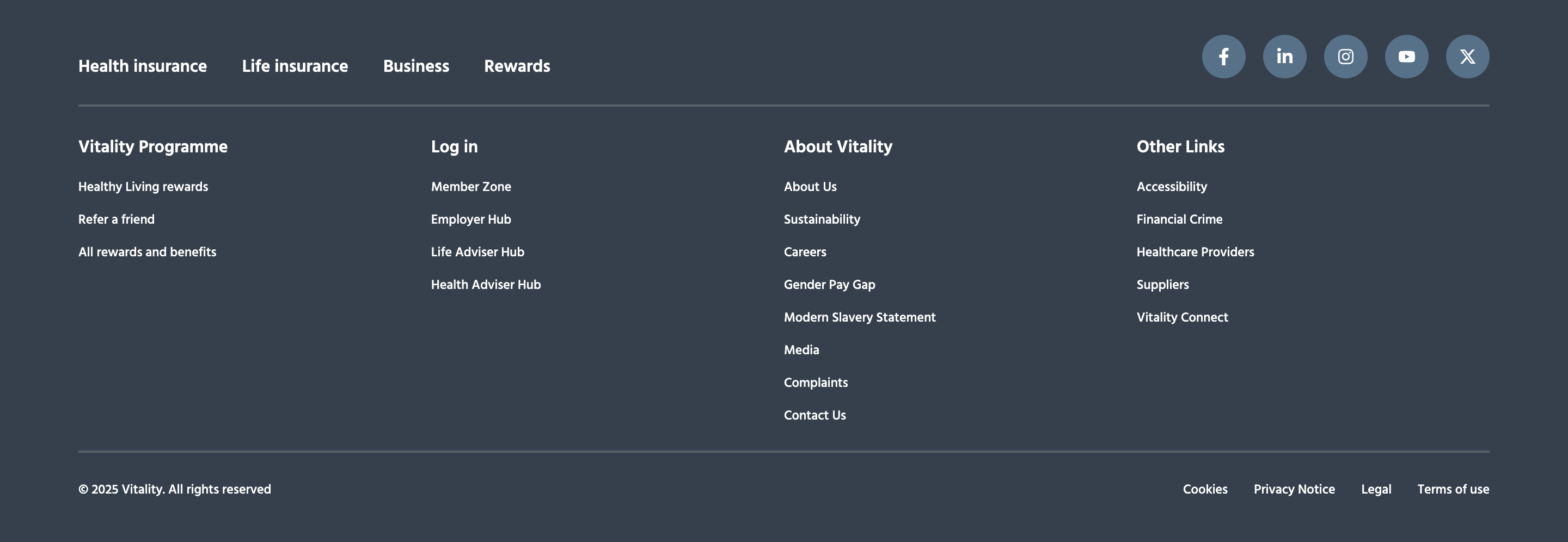
You should have it in your website Footer Navigation
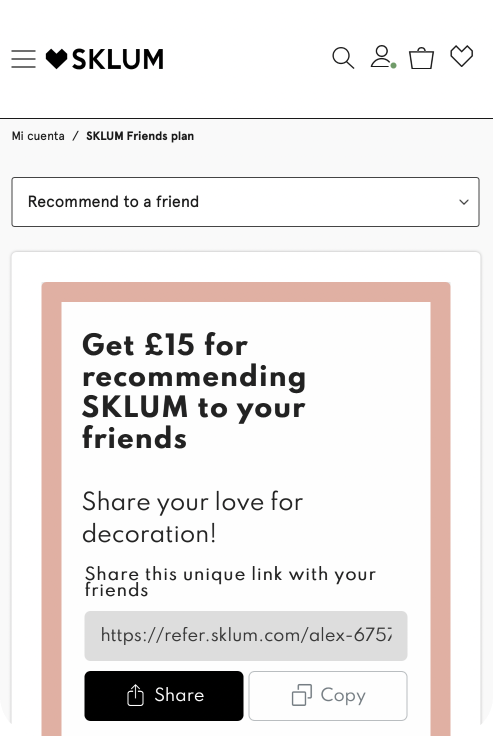
You should have it in your Customer Account Area
You should have it in your App Navigation

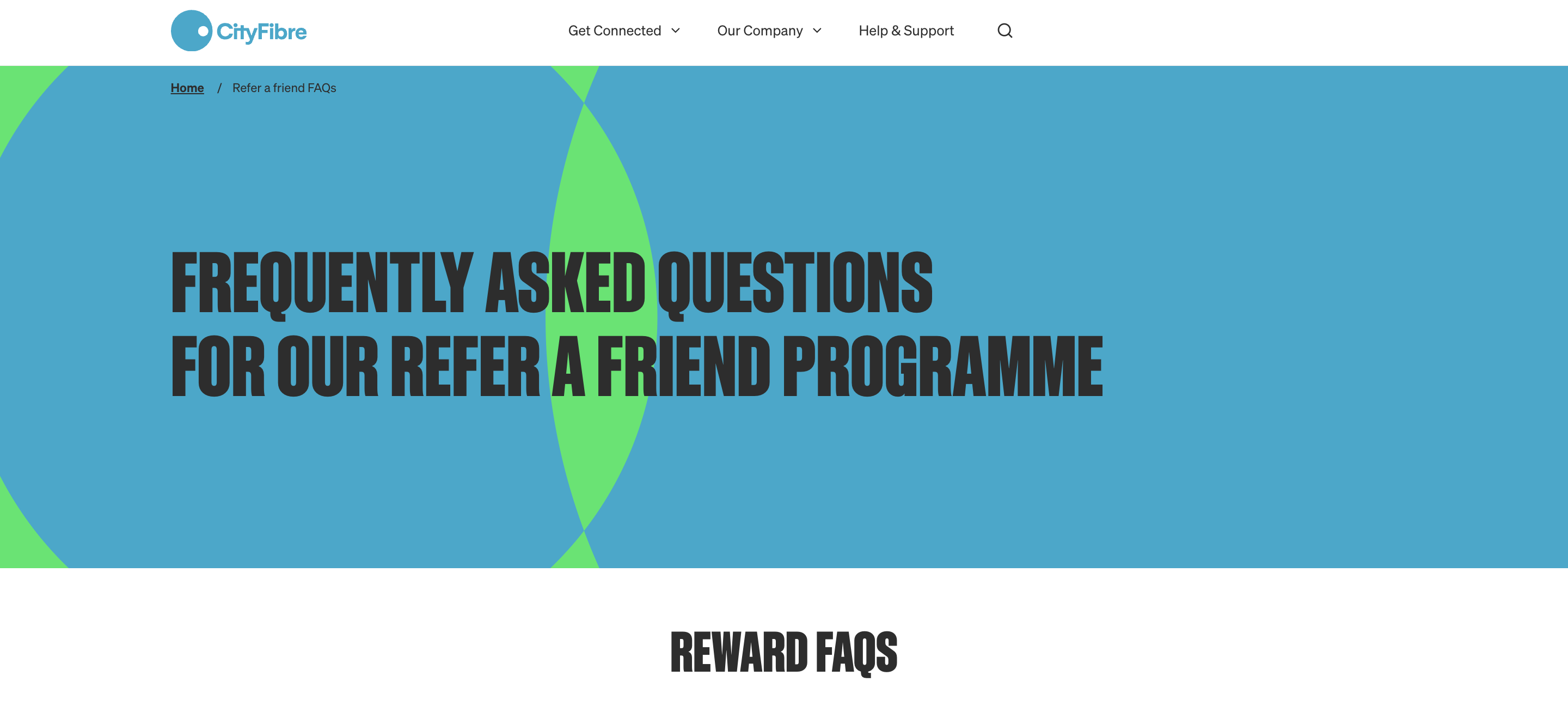
You should have it in your FAQs
You should have your chatbots programmed to mention it
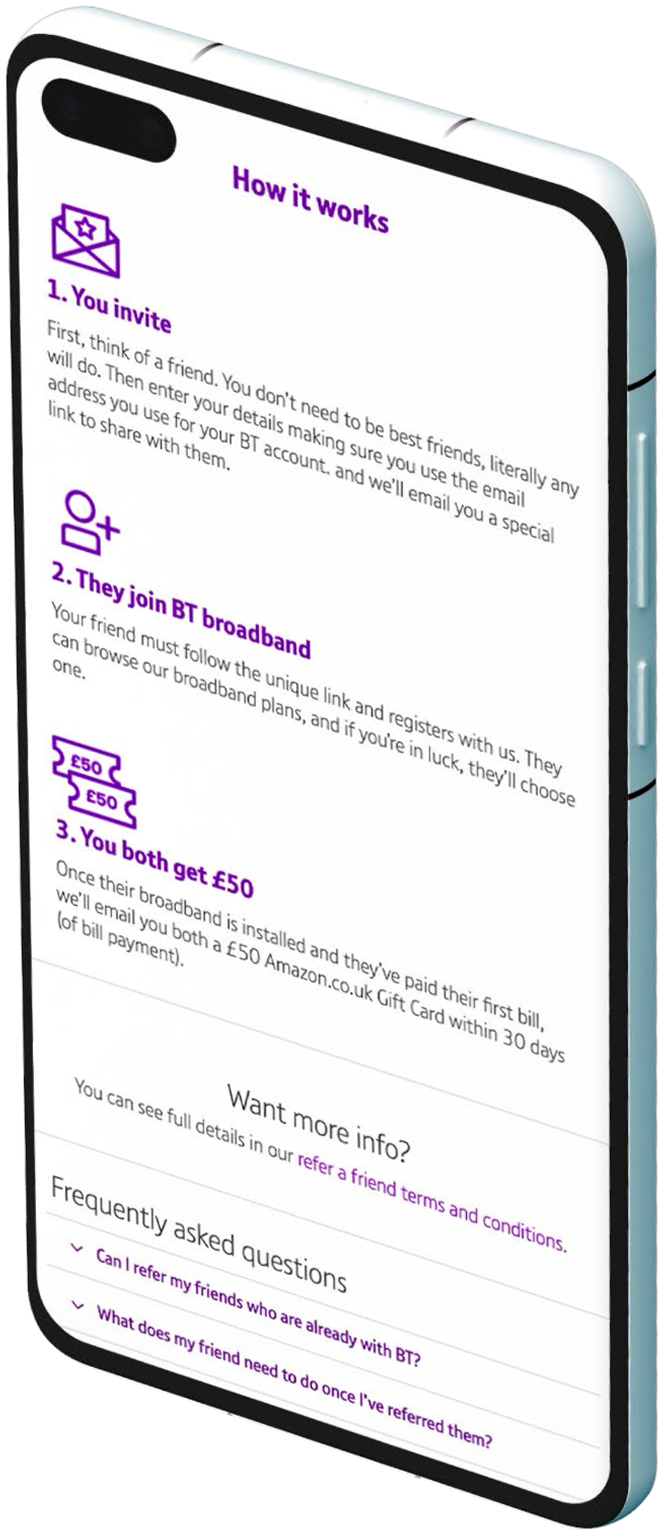
3. You haven’t educated your customers and staff
Hand in hand with not promoting your referral program, the next cardinal sin is not educating your potential referrers about how the referral program works, making it clear what they have to do and what their referred-in friends need to do, and when the referrer and friend can expect to receive their reward or incentive. Good examples are explainers on the face of your referral program, guides in FAQs etc.
And don’t forget that it’s not just your customers that need education but all your staff and agents who interface with customers. Here’s Ollie Moore from the Delta Community Credit Union explaining how they educate members and staff:
Hear from Ollie Moore, AVP, Product & Member Marketing at Delta Community Credit Union how they promote their referral programs.
How to Educate Your Members | Delta Community Credit Union
Ollie Moore: "We also learned that education is important too. With both the customer - the existing customer, their invited family or friend and with our staff."
Robin Bresnark: "How do you go about educating the members about it?"
Ollie Moore "Resources. We found that the education needs to be solid. It needs to be readily shared and available."
Ollie Moore: "So we have a dedicated online page for our program. We do marketing: direct mail, emails and so
we're always educating our members, at least two or three times throughout the year, we'll include it in our newsletter. It's front and center on our website. We have a link there so our members will know about it. We have a brochure that's available in our branches
Ollie Moore: "We also know that people are always wanting to do something super quick and on the spot, so that's why in a lot of our materials we include a QR code so that our members can quickly access our page or landing page where they can find more information about our program."
See the full Delta Community Credit Union interview here.
4. Your business proposition isn’t great
This one is probably the hardest to take in, but referral is all about scaling and extending positive word of mouth. But if you don’t have a great product or service, at good price points, with great customer service etc. then perhaps you don’t have a lot of satisfied customers who can refer friends.
In which case, there’s probably very little referral marketing can do for you until you fix the basic issues facing your business. In any event, you don’t want to try and overcompensate by offering very generous rewards for actions that don’t drive business value, as you’ll likely attract the wrong kind of referrers, who are only motivated by money. And those referred-in friends aren’t likely to stay long anyway.
Here you might be tempted to blame the lack of success on referral, when actually you’d be looking at the wrong cause.
5. The rewards and incentives you offer aren’t appealing
While rewards and incentives should never be the main reason for a referral, there’s plenty of evidence to show that referral rewards help overcome psychological barriers to referrals and that the presence of a friend incentive does encourage more referrals – as referrers want to not only give their friends a good recommendation but a good deal. In fact, Buyapowa’s own research shows that 74% of respondents said that they would be less likely to refer without a reward, and 70% of referred friends said that they wouldn’t act on a referral without an incentive.
So you’d be well advised to look carefully at the rewards you’re offering. Ask ‘would I want this?’ and ‘would I feel happy recommending this incentive to my friend?’. You could do some customer research and/or offer a choice of rewards and incentives and test different propositions. Getting your rewards and incentives right can make a huge difference to the performance of your program.
6. Competitors are offering much better rewards and incentives
As mentioned above, while the reward or incentive should never be the main motivator for a referral, your referral program doesn’t live in a bubble, and the rewards and incentives offered by competitors or comparable businesses may have created a rule of thumb amongst customers as to what they’d expect for a referral, and if you offer much less, then you may disincentivize referrals. Our recent Reward Revolution research asked consumers across different countries and generations what percentage of the value of the transaction they’d expect to receive as a reward for a referral and the answers are interesting.
And to illustrate the point, given the prevalence of referral programs these days, it’s unlikely that a potential new customer will only have received a referral offer from your customer. Imagine your perfect customer persona receives two referral recommendations from two good and equally trusted friends, one recommending Brand A with a US$100 incentive and the other Brand B with a US$50 incentive. Which do you think that person would accept?
So we’d advise that you keen an eye on what your competitors offer and adjust your offers accordingly.
Hear from Buyapowa’s Referral Experts as to the most common mistakes brands make with referral programs:
Referral marketing: Worst referral mistakes
Gideon Lask: "I'll let you guys into a secret. We are sadly nerdy about all things referral. And in our spare time we look at hundreds and hundreds of referral programs. I'd love to hear from you guys what you feel are some of the most common mistakes made by people with their referral programs what makes a referrer stop in their tracks or a friend say 'I'm not participating'?
Robin Bresnark: "Number one for me it doesn't look like a core thing the brand is doing. It's an afterthought. The worst case of this is when the program is hosted on a microsite with a different url. Maybe whoever is providing the software has got their brand all over it. Maybe that's the url that the referral might share with their friend. Maybe it's referral platform.com - that's awful."
Gideon Lask: "So it needs to be trustworthy, on-brand, integrated into the experience."
Robin Bresnark:"Yeah if I'm your friend and you want me to shop at this shop don't go telling me about some referral platform. That's horrible."
Gideon Lask: "Got it."
Peter Cunningham: "I agree with Robin. It's between the brand and the customer, so no one else should get in the way. I think the offer needs to be clear. It needs to be clear what you can get, what your friend can get and what you need to do. So that needs to be spelt out just really clear. Another thing you need to be clear about is what's happening with any data you're giving. That data is it going to be resold? Are you going to be hawked to any referral program out there. So it's very important that your supplier doesn't share that data with anyone they shouldn't."
Gideon Lask: "I know I'm asking the questions but I've got an answer as well. I hate it when they don't promote
the program because I need to be able to find the referral program if I'm looking to refer or if I'm minded to refer because I've just had a great experience, ask me to refer. Don't hide these things."
Robin Bresnark: "Yeah if someone comes to your website looking for your referral program you've got 10 seconds until they go and look at cat videos. So put it in the places they're gonna find it."
Peter Cunningham: "And give it a url that makes sense, so it's brand.com/referral."
Gideon Lask: "And rewards which are commensurate with the experience as well. If you're asking someone to join up, then offer them something good don't be tight about it. Thanks guys."
7. You are offering better incentives elsewhere
Did it ever occur to you that you could be shooting yourself in your own foot? If your referral program offers a US$50 incentive, but you have a US$100 incentive available to all new customers as part of a switcher campaign advertised on your home page, or via a price comparison or coupon site. Again, which offer do you think the referred-in friend will accept? Potentially some would accept the referral knowing that the friend that referred them would also get a reward – that’s the psychological principle of reciprocity at play. But a decent number of referred-in friends will likely jump ship for the better offer.
Perhaps your total customer acquisition numbers won’t drop, but you’ll be mistakenly attributing (and maybe paying for) customer acquisition to channels other than those that drove the customer to your site.
8. Your rewards and incentives never change
Even if you have great rewards and incentives, these can suffer from diminishing returns after a while as customers become satiated, after all you can only ever want a certain number of Spotify or Amazon vouchers! And even the appeal of cash rewards can diminish over time, which is why offering experiential rewards or the ability to donate rewards to charity can be appealing alternatives.
“Coming to our clients with different offers is what helps keep the program top of mind for our client base.[And with] limited time promos it gives you an excuse to remind your clients that you have a referral program in the first place”
Natasha Saviuk, Director of Growth – Wealthsimple
But quite simply your program can start to look boring if it never changes and never offers anything new, which is why we advocate regularly refreshing the look and feel of your program and changing up the rewards and incentives. Our own research showed that customers want to hear about your referral program about once every two months on average, and what they most want to hear about are the rewards, and changes to rewards.
As a minimum, a change to your rewards is a great reason to reach out and remind potential referrers about your program, as mentioned by Natasha Saviuk of WealthSimple.
Hear from Natasha Saviuk, Director of Growth from Wealthsimple on how to drive more referrals using FOMO and tiered rewards.
Drive Referrals with FOMO & Tiered Rewards | Wealthsimple
Natasha Saviuk: "For us, just cycling through different promos and having a baseline that works well and coming to our clients with different types of offers is what helps keep the program top of mind for our client base"
"Limited time Promos, because again it gives you an excuse to remind your clients that you have a referral program in the first place, and where those referrals need to be made within a critical window, we see that the number of share my referral button clicks just skyrockets."
"And one of the promotion types that works the best is exactly what you're describing where based on the number of referrals you make the client gets an increasingly exponential bonus, especially for clients that maybe are inclined to be repeat refer or have a bigger network, we really see it effective at tapping into those networks and getting people saturate the number of referrals that they can make."
See the full Wealthsimple interview here.
9. You treat all potential referrers and their friends as the same
One of the biggest mistakes you can make, according to Asya Kuznetsova of Wise, is to treat all potential referrers the same way, as that way “you shoot for everyone and reach no-one”.
Hear from Asya Kuznetsova, Product & Growth at Wise why you shouldn’t treat all customers as being the same.
Why Referral is the Perfect Lookalike Marketing | Wise
Asya Kuznetsova: "The biggest learning is that actually people invite lookalike people."
"The main mistake is that they have the same referral program basically open for everyone."
"Some customers who would generate you more costs than profit."
"Target audiences - the key customers that you want to grow. At Wise's, size we operate almost everywhere in the world, so we have several key Target segments."
"The Baseline is that first people invite lookalike people, and the second one is that your referrals should target only target customers. Otherwise it would not work and you would just shoot at everyone and get almost no-one."
See the full Wise interview here.
Quite simply, referrers refer for different reasons and are motivated by different rewards. As Jonah Berger of the Wharton School of the University of Pennsylvania noted, the motivation for word of mouth is often self seeking such as to gain social currency by appearing as an expert.
A brand that understood this very well is Tesla which offered “money can’t buy” fan prizes like factory tours or exclusive early access to new products to its wealthy customer base, who would be unlikely to be attracted by cash or cash equivalent rewards.
So one way to improve the performance of your program, is to have different programs for different segments and/or allow referrers and friends to choose the rewards and incentives they want.
“The main mistake is that they have the same referral program open for everyone…..Your referrals should target only target customers. Otherwise it would not work. You would just shoot at everyone and get almost no one”
Asya Kuznetsova, Product & Growth – Wise
10. You don’t promote it to potential referrers at the right time
A common mistake with referrals is not allowing for the fact that referred-in friends may not be able to take advantage of a referral immediately. This is particularly true in services industries where a customer may have an annual or fixed term contract and not be able to switch. By treating referral as a once only ‘fire and forget’, a services brand may be losing a substantial part of the value from referrals by not collecting contact details from the friend and a marketing permission to remarket the offer to them in the future.
“I hate it when [brands] don’t promote the program, because I need to be able to find a referral program if I’m looking to refer. Or, if I’m minded to refer, because I just had a great experience, ask me to refer. Don’t hide these things.”
Gideon Lask, Founder and CEO – Buyapowa
11. You don’t have clear CTAs
The power of CTAs is well understood across all forms of marketing, from adverts, through emails to landing pages etc. And these are no less important in referral programs. A simple reason for the underperformance of your referral program may be the lack of CTAs, or the lack of clear and easily understood CTAs. Thankfully this is an easy problem to fix but it’s one that’s often overlooked.
12. Your program doesn’t look trustworthy
Referrals are all about trust. A customer who trusts your brand recommends you to a trusted friend, and the strength of that referral relies very much on the trust between those friends and the trust between the referrer and your brand. So it’s vitally important that your referral program is completely on brand and, ideally, on your domain, in your brand colors and voice. You should never risk that bond of trust by letting your supplier host your program on a supplier site with the supplier’s colours and logos everywhere.
But this also applies to referred-in friend. If they’ve been recommended your brand by a friend, and they click through and all they see is the branding of the supplier, then they’re likely to think they’re in the wrong place or assume it’s phishing.
13. People can’t understand your referral program
You should always make sure that your referral program is easy to understand and that potential referrers can quickly see what’s expected of them, what the friend needs to do, what both parties can expect to get and when. This can be aided by clear well written copy, good CTAs, diagrams, examples etc.
Particularly, if you have a complicated conversion process, for example where a financial services business requires that a new customer first speak with an advisor, this should be explained. You could say, for example, that typically, you could expect to receive a reward in [4] weeks after referring a friend.
14. People don’t think your program is fair
This can be both in terms of the rewards and incentives you’re offering compared to the amount of work you’re expecting the referrer to do and/or the value of the referred-in customer. As noted above, the rewards offered by your competitors can create ‘rule of thumb’ as to how much a referral is worth in your industry. But the concept of fairness can also be affected by how quickly you reward referrers and how often and for what reasons you refuse to accept a referral and/or payout a reward. This can be a particular risk where your supplier makes little effort to contact and remind referrers to collect their rewards.
Especially where you’re seeing a drop off in performance in your program, you’d be well advised to look on social and in some leading consumer forums to see if customers are telling others that your program is a scam etc.
15. You don’t show social proof
This is an often overlooked part of referral. When asking a customer to refer, it’s a good idea to remind the customer that not only are they having a good experience with your product or service, but so are [thousands of others]. This can help overcome a psychological barrier to referral, by reducing the risk that the friend will have a bad outcome. In fact, a recent study found that by merely reminding a customer that he or she was also referred-in can increase the likelihood of a referral by 20%.
Social proof can also address the issue that a potential referrer may wonder if he or she will ever see a reward, by highlighting the number of successful referrers to-date. And of course, as with any conversion, social proof on the landing page can increase the conversion rate of referred-in friends.
16. You’re too well known for the wrong reasons and you don’t give people a reason to give you another try
A particularly prevalent myth is that referral won’t work for well established brands, especially those who have earned a bad reputation in the past. The prevalence of this belief is unfortunate as referral is perhaps the best, and maybe only, way to win back lost customers, because once a customer has had a bad experience from a brand, anything the brand says will likely have little impact. However, when a trusted friend recommends a person give a brand another chance, because the service has improved etc., then this is much more credible.
So, if your brand is in this case, then you need to think how you’ll arm your happy customers with the information, social proof and incentives to convince ex-customers to come back. If you don’t design your program with this in mind, then it will likely not have much effect.
17. Your customers are addicted to price comparison sites
A common objection from industries where customers often resort to price comparison or deals sites when looking to purchase or renew a contract, is that it’s too hard to overcome the customers’ deal hunting instincts. However, this is to misunderstand the function of referral. There’s plenty of evidence that referrals bring in better customers who stay longer and spend more, and who in turn refer in more customers. And because referrals work using active and passive matching and social enrichment, recommendations through referrals tend to reach better potential customers at the right time via a trusted channel.
The challenge is more how to retain those customers, and this can be done by a commitment to provide superior service at competitive prices, to bundle products so that it’s more difficult to detach one service to get a better price and also to encourage those customers to refer to their friends. The last point is particularly important as referrers tend to become brand ambassadors and the fact of referring a friend often creates a psychological reinforcement of a referrer’s commitment to brand, simply because after having convinced friends to switch you’ll feel more compelled to remain with the brand you recommended.
18. You lack expert advice and assistance
You’ll have noticed that we’ve set out many reasons why your program may fail or underperform and getting any of these wrong could be the reason for the underperformance, which is why having access to help and advice from a team of experts can make all the difference. If you’d like to hear how we’ve turned around dozens of underperforming programs, get in touch and we’ll explain how we do this.
19. You lack access to detailed analytics and reports
As well as having access to expert advice, you need detailed reports, data and analytics to pilot and improve your program. If you don’t have this with your in-house program or from your supplier then we should definitely speak
What’s next?
Well, hopefully we’ve convinced you that you may have wrongly written off referral or written it off too soon, and that you’d like to learn more about what makes the difference between an also ran referral program and one that consistently delivers 10%, 20% or even 30% or more of all your online customer acquisition. If so, let’s talk.